
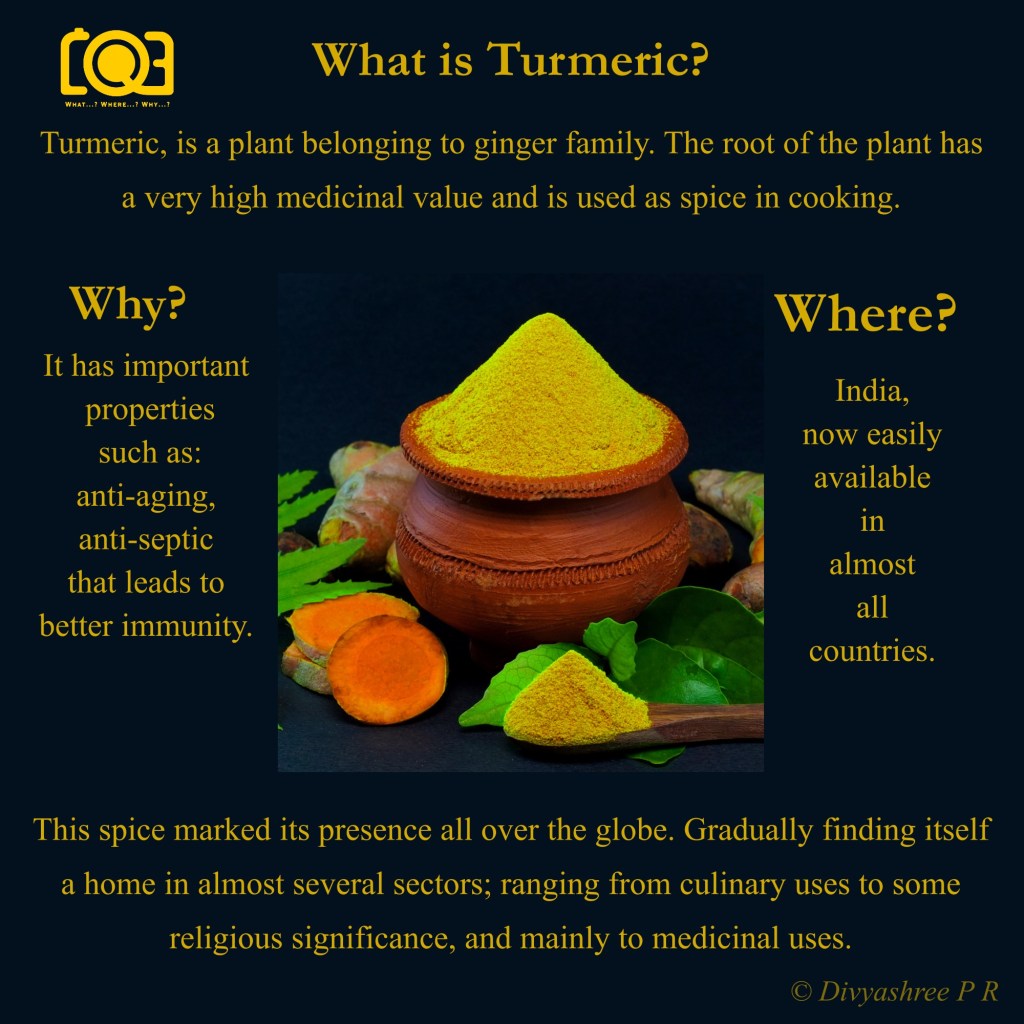
The hero of this blog is probably the one who is contained in a box right now when you’re reading this, in a corner of your kitchen shelf, being all yellow in color.
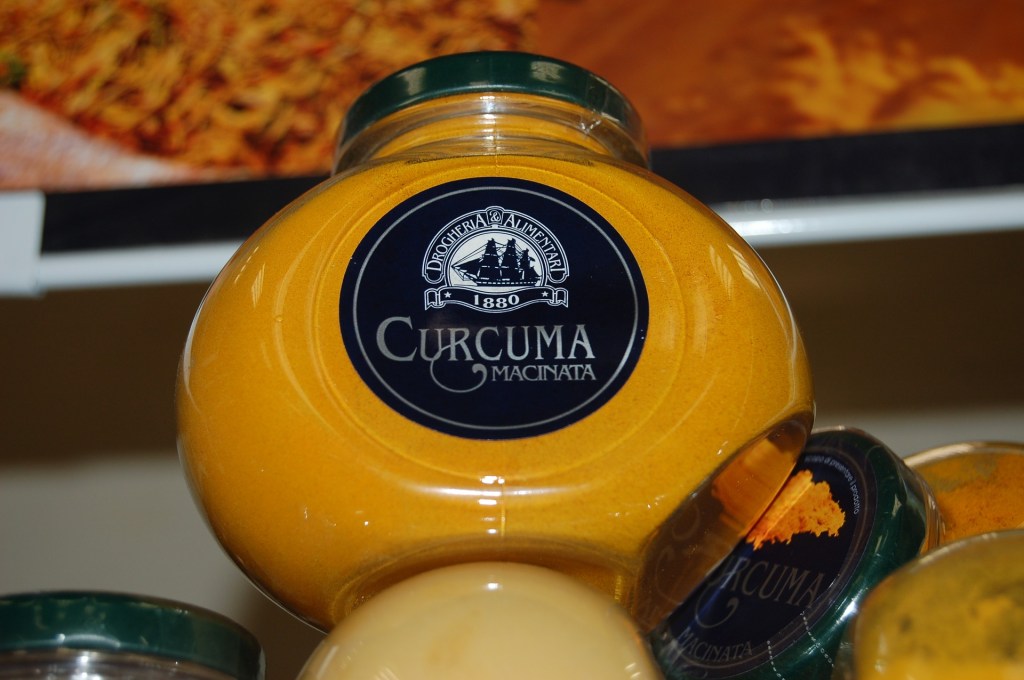
We are quoting here the Turmeric, also known as, ‘Curcuma longa’. The usage of turmeric dates back to almost 4000 years to the Indian and South Asian parts of the world.
Indian recipes are hundreds of years old and these recipes have been tried, tested, and perfected since time immemorial. Several Indian dishes including dal, curries, many rice dishes, and vegetable dishes include turmeric in it. Turmeric is not just used for giving curry, dishes that bold yellow hue, the spice does more than just add flavor to dishes – it is also a powerful healing aid.
This spice marked its presence all over the globe. Gradually finding itself a home in almost several sectors; ranging from culinary uses to some religious significance, and mainly to medicinal uses.
What makes this golden spice a standout?
Turmeric is a lot more than just a culinary spice. It’s a very good anti-inflammatory medicine and an efficient stress reliever if added to the food in a perfect amount. Out of all the varieties of turmeric, Indian turmeric is considered to be best because of the presence of an important bioactive compound – curcumin. Because of its anti-inflammatory abilities like regulating blood pressure, the consumption of curcumin can help in the treatment of various health issues including cardiovascular diseases, rheumatoid arthritis, swelling, menstrual difficulties, skin cancer, and jaundice.
This multi use spice has successfully made its way to European cuisine too. As an ingredient in the food, turmeric gives the dishes a yellowish color. But if you dig deep into the hidden-goods of this spice as a food, you can find quite impressive things, such as, its ability to pull out beta-carotene from various vegetables e.g., carrots and pumpkins. Beta Carotene you ask? Before you frown on what it means, lets simply define it as a storehouse of Vitamin A.
A pinch of pepper is always added along with turmeric as pepper enhances the absorption of curcumin, the bioactive component of turmeric into the body. Turmeric, when combined with pepper or any fat content like milk, ghee, or oil is well absorbed by the body. Its consumption is never recommended with water as the body never absorbs it.
Today, turmeric is widely cultivated in the tropics and goes by different names in different cultures and countries. In North India, turmeric is called as “Haldi”, a word derived from the Sanskrit word “Haridra”. If you are familiar with the word ‘Manjal’, which is another name for turmeric in India, then you can be proud. Because you are from a state which is the world’s largest producer of turmeric. Yes, ‘Manjal’ is a typical Tamil name for turmeric, and Erode, a city of Tamil Nadu is the biggest trade center of Turmeric.
India has the lowest dementia rates in the world. This is a result of the daily consumption of 30mg of turmeric which is preventing inflammation of the brain.
Are you one of those who are straining every nerve trying to find which food builds immunity?
Trust me, this is the story of every household these days. The Covid-19 pandemic has made us realize the importance of having good immunity. Mother nature has given us many options, backed by modern science, that we can use to prevent or manage such situations.
A common way of using turmeric with milk is presented in this section. This is addressed by many nutritionists and Ayurvedic doctors. Below I have listed few of the important concerns in a FAQ style.
Why Turmeric Milk?
Turmeric milk is a traditional Indian drink. It is also gaining more popularity in the west by the name “The golden milk”. It helps in building immunity. This powerful beverage is made of milk mixed with turmeric and other spices depending on one’s body constitution. Having it in a limited dosage sounds like a good plan!

(Make sure you consult your doctor if you have any medical history before including it in your daily routine)
How to prepare turmeric milk?
Ingredients (serves 1 cup)
- 1 teaspoon of turmeric
- 120 to 150 ml of unsweetened milk
- Dash of ginger powder
- Dash of pepper powder
- Dash of cinnamon powder
- 1/2 teaspoon of honey, jaggery(optional)
Preparation
- Mix all the ingredients and bring it to boil.
- Reduce heat and simmer it for 5 to 10 min.
- Strain the drink through a strainer and add honey or jaggery powder. (Note:Do not add honey or jaggery along to boiling milk)
- Top it with a pinch of cinnamon for flavor.
Having turmeric milk once in a day is a better option than your evening cup of coffee or a can of cola. Hence, it is your time to make a wise choice.
What is the best time to have turmeric milk?
It is best to consume it at bedtime, ideally two hours after dinner.
During which season turmeric milk is good for consumption?
There is no seasonal restriction while you have turmeric milk. In winter or monsoon, adding a pinch of ginger powder, cardamom powder or nutmeg powder along with turmeric milk gives a good night’s sleep. During summer try to add basil seeds (sabja seeds) to turmeric milk makes it a satisfying drink as these seeds have cooling properties.
What if I am lactose intolerant? Or a person who doesn’t like milk.
A2 milk boiled with turmeric can be tolerated by many. If not, you can include turmeric in your food in whatever recipes you can.
If you don’t like milk then you can try it with a glass of buttermilk in the afternoon. As per Ayurvedic principles, buttermilk and curd are best avoided at night.
I am vegan, how can I have turmeric milk?
Turmeric in combination with cow milk is proved to be the best for ages. However, coconut milk can be had with turmeric by heating it a little. But this is not recommended daily.
What sweetener do I add to turmeric milk?
Adding jaggery and honey to turmeric milk makes it more delicious. Adding a sweetener like Stevia powder enhances the taste instead of adding raw sugar to it.
To read more about Stevia click on: https://q3info.com/2020/05/04/stevia-a-call-of-a-natural-sweetener/
What should be the temperature of turmeric milk?
According to Ayurveda, turmeric milk is best had hot as this has a cleansing effect on the body.
Will I gain weight if I drink milk every night? Can I have turmeric milk every day?
Don’t think twice while having turmeric milk at night. Turmeric is known to improve the metabolic and overall functioning of the body so don’t be guilty while having a cup of this healthy drink.
Turmeric for Infections
Curcumin present in turmeric has anti-microbial properties and turmeric is known for its anti-inflammatory properties. It is often used as an ingredient in skin gels and other skincare products. This compound is known to enhance skin protection.Mix Turmeric powder with coconut oil and apply the paste on infected area Leave for a few minutes and rinse it off with lukewarm water.
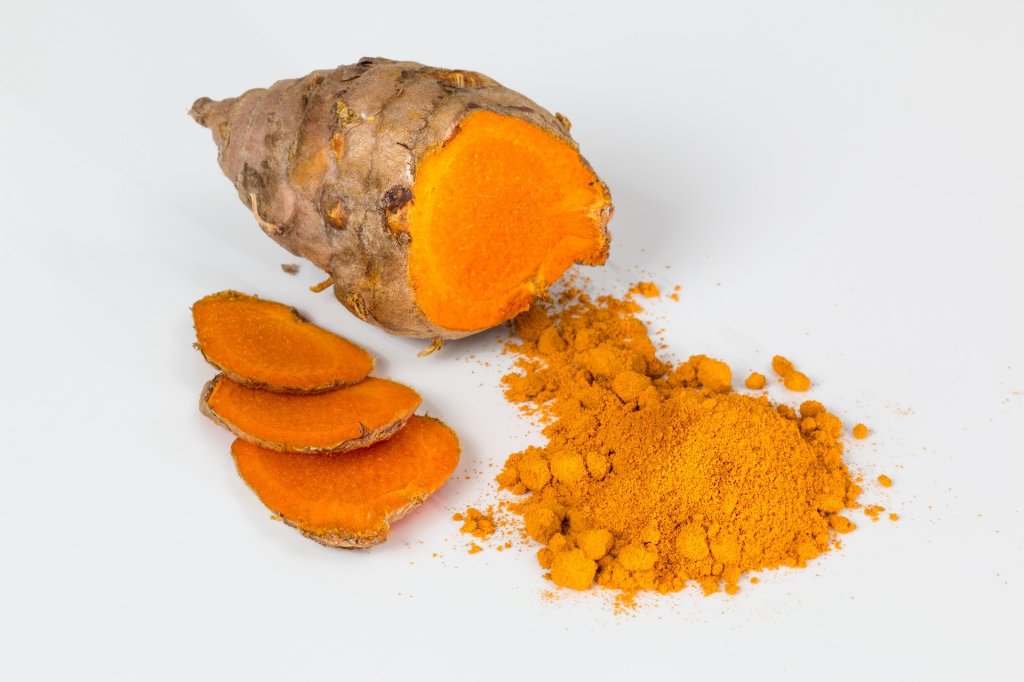
If you were to try listing down the benefits of turmeric due to its presence in your daily life, you will probably end up penning down a small book! So, from next time you fetch your hands to pick up that container of turmeric from the shelf, make sure you do it with an edge of gratitude – A way of thanking this aged golden spice!

 Q3 Info
Leave a reply to coffeestainsandcookiecrumbs Cancel reply