
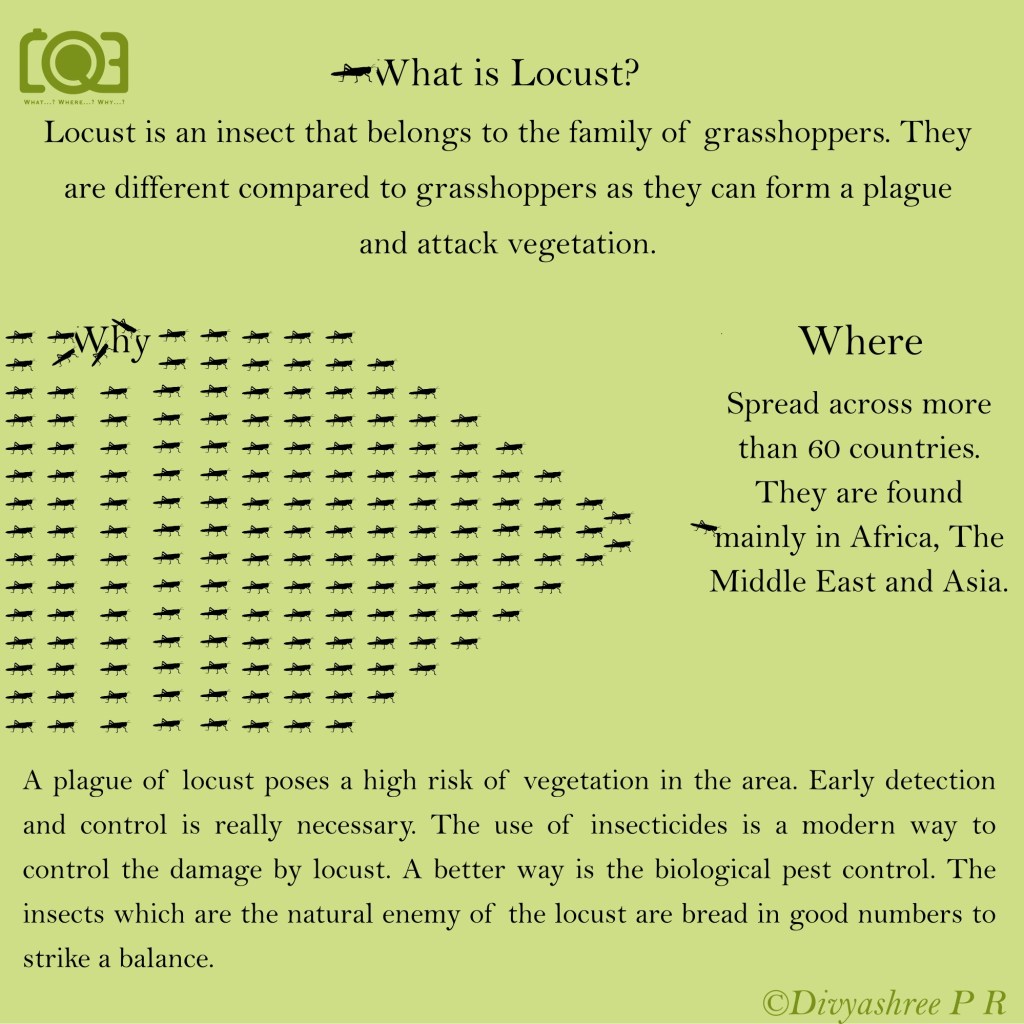
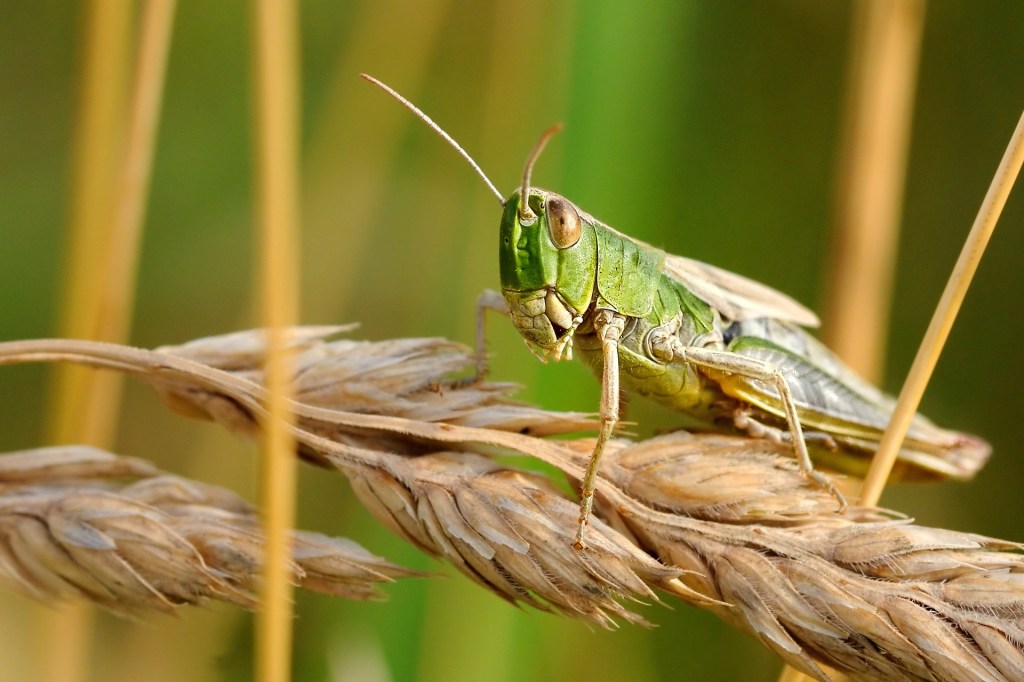
Locust is commonly called grasshoppers. However, locusts have big hind legs for jumping around. But what makes them so mischief-makers?
These insects which belong to the family of grasshoppers are treated as “just another insect” untill they form a plague and start attacking vegetated areas. You can find the presence of these amusing insects carved on the ancient Egyptian tombs as well as inside the pages of the Mahabharata, Bible, Quran, and in the Iliad too. Can you imagine that? These manuscripts as well as the depiction of tombs share the story of locust attacks during those respective periods. Locust attacks are widely devastating as they feed on everything green on their way and a fully grown locust can fly kilometers thereby spreading their wrath into a wider distance.
What makes Locust turn in to a nightmare?
Locusts are harmless insects when found in smaller swarms. So, what exactly makes these creatures a nightmare for vegetation, especially to farmers? Time to introduce the antagonist of the tale – serotonin. Serotonin is a compound present in blood platelets and serum, acts as a monoamine neurotransmitter that results in the behavior changes in locusts under certain conditions. When an area undergoes drought and then a sudden increase in vegetation, such a dramatic change around their atmosphere triggers serotonin in locusts. As a result, an unusual growth rate is seen. This leads to a large number of locusts in a short time. Such growth of locusts poses a high risk of damage to the crops in the area.
Cyclones have created favorable conditions for locusts to feed and breed
Favorable conditions for desert locusts to breed consists of moist sand and green vegetation. These conditions were available to the locusts in the desert region of Africa and the Arabian Peninsula due to heavy rainfall that the region witnessed in 2019. From there they migrated to India via Iran and Pakistan.
According to Roxy Mathew Koll, a climate scientist at the Indian Institute of Tropical Meteorology, the heavy rainfall was caused by unusually warm waters in the western Indian Ocean in late 2019. And the unusually warm waters were caused by climate change or global warming. These warm waters were caused by the phenomenon called the Indian Ocean Dipole (IOD) with warmer than usual waters to its west, and cooler water to the east.
Around 80 million locusts have reached India till now and they can increase to 20 folds if they start breeding. The most recent invasion of locust was seen in April 2020 in the state of Rajasthan. Huge swarms of locust have entered and they are still marching towards eastern and southern parts of the state. This is the worst locust attack that India has witnessed in decades and has created a sense of panic among farmers.
Prevention
“Prevention is better than cure” – the same is adaptable in the case of locusts. Certain mechanisms are available now to detect the areas of possible locust attacks. But what if the locusts already started breeding in an area? Years before people tried killing locusts to save their lands by setting the swarms of locusts up in the fire, crushing them manually using rollers, etc. Now, insecticides do the killing. Although the best remedy is biological pest control- it is a way of controlling insects with the help of other organisms. In short, a natural enemy of the attacking species of insects is let to breed in the area. Thereby, trying to strike a balance.
Little more on Locust
Each female is capable of laying more than 100 eggs, with egg pods as high as 1000 per meter square, it takes no time at all to form swarms of locusts. The life cycle of locust can be split into three stages- egg, hopper, and adult. The young locusts are known as hoppers, at this stage they are flightless. Usually, it takes four weeks for hoppers to become adults, but when the conditions are right their development switches to the fast track. They find new feeding grounds by following the smell of sprouting grass. As the vegetation in one place begins to run out, the winged adults release pheromones, scent messages, which tell others in the group that they must move on.
They have to keep on moving. The swarm travels with the wind. It is the most energy-saving way of flying. Following the flow of wind means that they’re always heading towards areas of low-pressure places, where the wind meets rain and vegetation starts to grow.
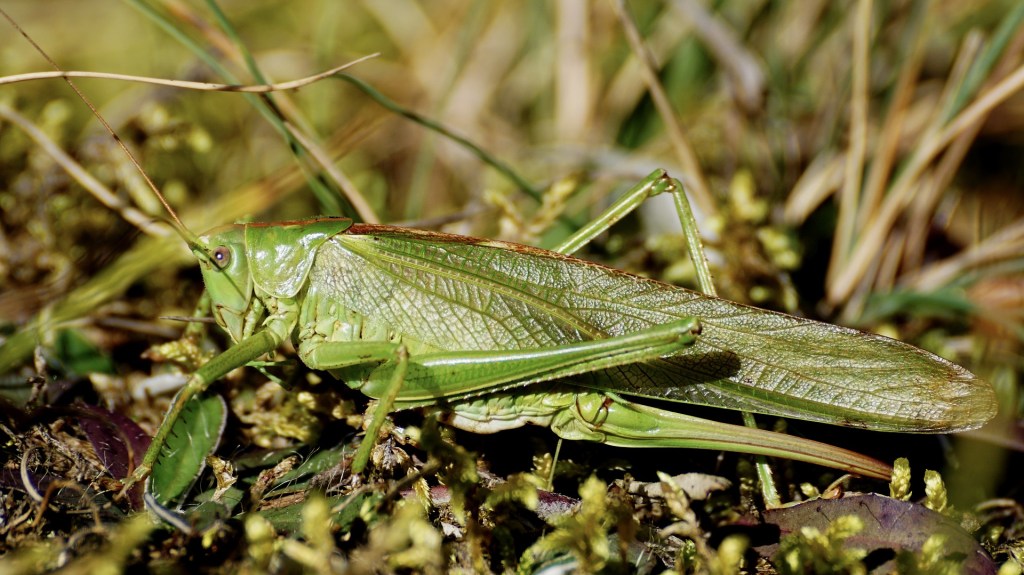
When groups of locust merge they form a swarm. As they fly, swarms join up with other swarms to form gigantic plagues several billion strong and as much as 40 miles wide. They will consume every edible vegetation that lies in their path. Every day an adult locust eats its entire body weight and a whole swarm can consume hundreds of tons of vegetation.
Locust is rich in protein, it was a natural strategy to eat them and is still followed in few places in Africa and Asia. This is now not advised in the present day as chemicals are used to stop the spread of locusts.
 Q3 Info
Leave a comment